

What is Bulk Material Handling Equipment?
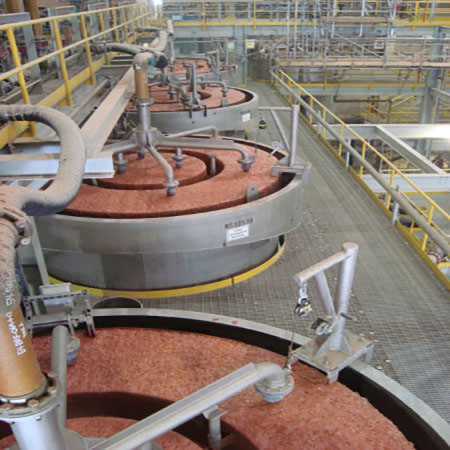
Bulk material handling equipment refers to a wide range of machinery, devices, and systems used for efficiently handling, moving, storing, and processing large quantities of bulk materials. Bulk material handling equipment is essential in industries that deal with loose, granular, or free-flowing substances in large volumes, such as mining, construction, agriculture, manufacturing, and logistics.
What is Bulk material handling equipment?
Answer: Bulk material handling equipment refers to machinery and systems designed to transport, store, process, and manage large quantities of loose, unpackaged materials—known as bulk solids—such as grains, coal, sand, ore, cement, or chemicals. These materials can be dry (e.g., powders, granules) or wet (e.g., slurries), and the equipment is engineered to handle their unique properties like flowability, abrasiveness, or weight efficiently and safely.
Core Functions and Types
The equipment serves several purposes:
- Transportation: Moving materials across sites or between processes.
- Conveyor Belts: Continuous loops of rubber or metal for horizontal or inclined transport (e.g., moving coal in mines).
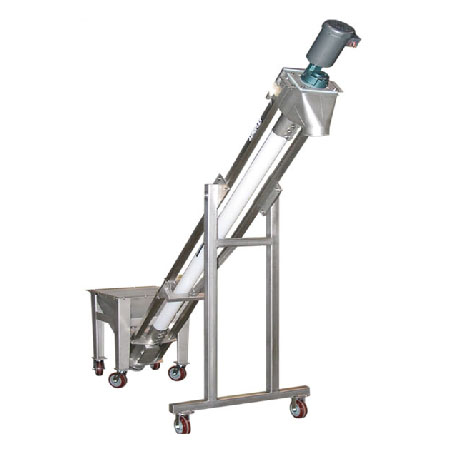
- Screw Conveyors: Helical blades in tubes for pushing powders or grains.
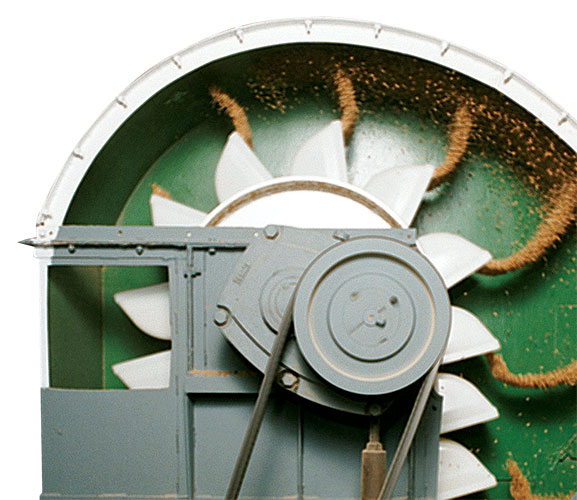
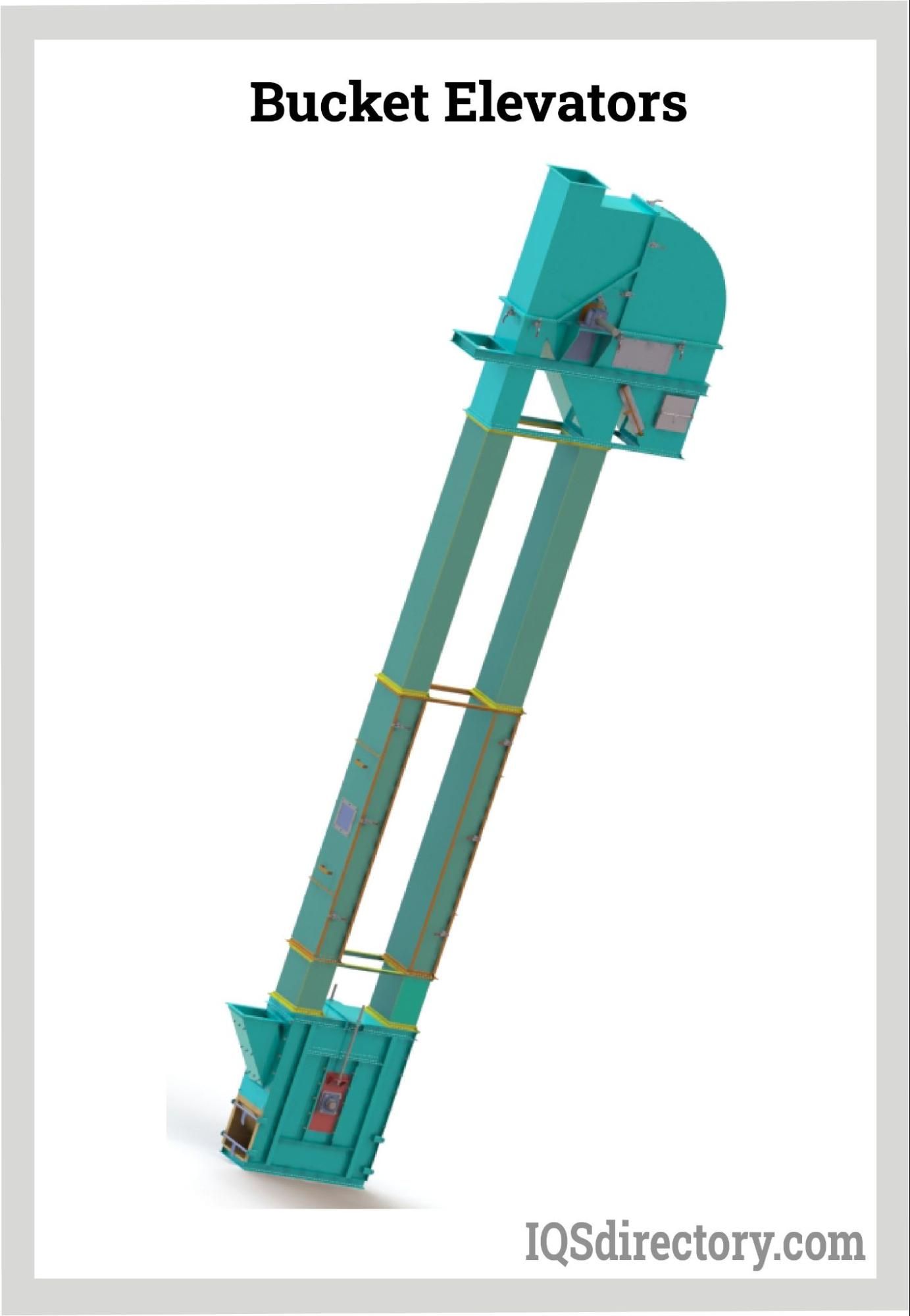
- Bucket Elevators: Vertical lifts using buckets on belts or chains for materials like sand or gravel.
- Storage: Holding materials until needed.
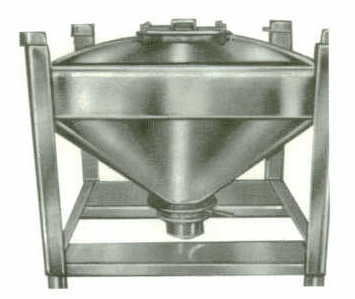
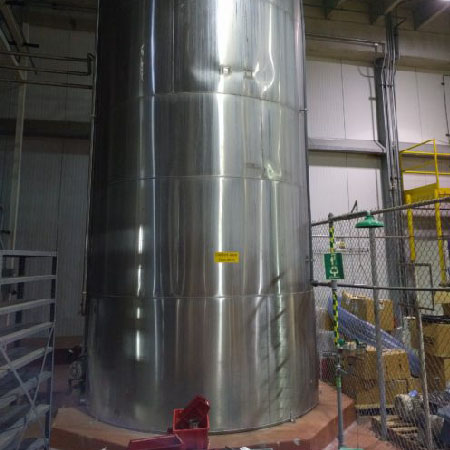
- Silos and Hoppers: Tall, cylindrical containers for grains or cement, often with gravity-fed discharge.
- Loading/Unloading: Transferring materials to or from transport vehicles.
- Stackers/Reclaimers: Machines that pile materials (e.g., ore) into stockpiles or retrieve them.
- Ship Loaders: Specialized cranes or conveyors for bulk cargo like iron ore at ports.
- Processing: Preparing materials for use.
- Crushers and Screens: Break down or sort bulk solids (e.g., rock into gravel).
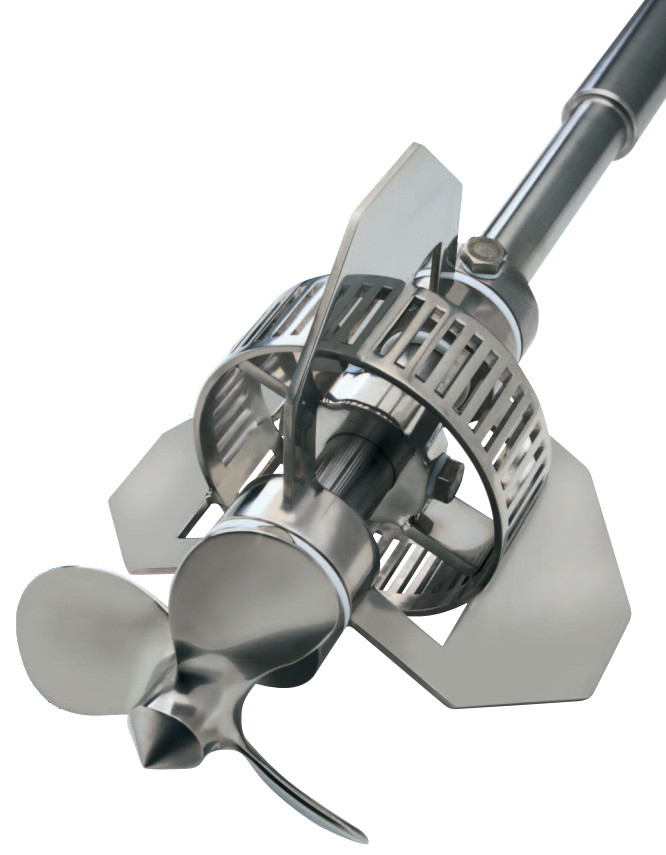
- Mixers: Blend materials like concrete ingredients.
Applications
Industries like mining, agriculture, construction, and manufacturing rely on this equipment. For example, a quarry uses conveyors and hoppers to move limestone, while a grain terminal employs silos and ship loaders to export wheat. The equipment is often customized—dust-tight systems for powders, heavy-duty designs for abrasive ores—to match material and site needs.
Advancements
Modern systems incorporate automation (e.g., sensor-guided conveyors), dust suppression, and energy-efficient motors, driven by safety, cost, and environmental demands. From ancient hand carts to today’s robotic reclaimers, bulk material handling equipment remains a backbone of industrial logistics, streamlining the flow of raw materials globally.
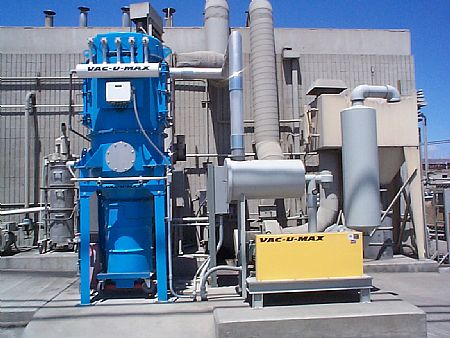
Bulk material handling equipment is essential for various industrial applications. Its primary objectives include transporting materials, providing storage solutions, loading and unloading materials onto transportation vehicles, and processing materials through crushing, grinding, screening, mixing, or other necessary steps. Systems such as conveyors, hoppers, loaders, crushers, and dust collection systems are vital in industries dealing with bulk materials. They facilitate seamless material flow, enhance productivity, and ensure efficient operations.
Types of Bulk Material Handling Equipment
Bulk material handling equipment encompasses a diverse range of machinery, devices, and systems designed to efficiently manage, transport, store, and process large volumes of loose or granular materials. These solutions are integral to various industries, ensuring seamless operations and enhanced productivity.
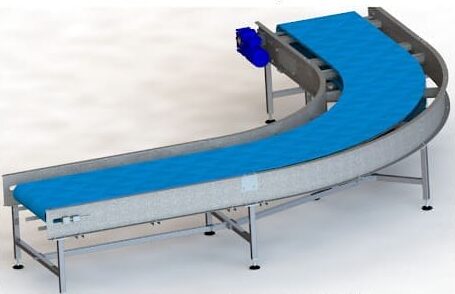
Conveyor systems play a pivotal role in this domain. These systems, which include belt conveyors, screw conveyors, pneumatic conveyors, and bucket elevators, are engineered to facilitate the smooth movement of materials over both short and long distances. Each type of conveyor system is tailored to specific material handling needs, ensuring efficiency and reliability in transport.
Hoppers and silos serve as essential temporary storage solutions in the bulk material handling process. These structures are designed to hold materials securely until they are needed for further processing or transport. Complementing these are loaders, unloaders, and cranes, which are crucial for the efficient loading and unloading of materials onto trucks, ships, or railcars, thus ensuring seamless material flow across different transportation modes.
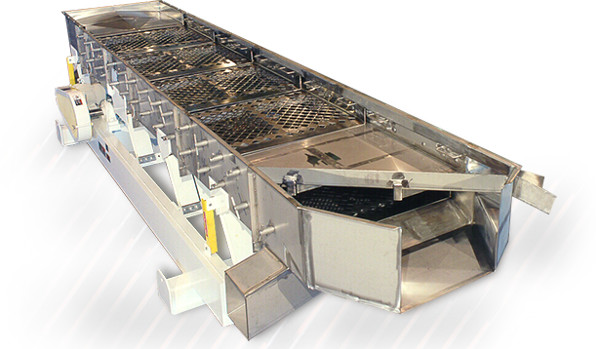
Crushing and screening equipment, such as crushers, screens, and classifiers, are utilized to modify the size or grade of bulk materials. These machines are essential for preparing materials to meet specific quality and consistency requirements. Additionally, mixers and blenders are employed to combine different materials, ensuring uniformity and homogeneity in the final product.
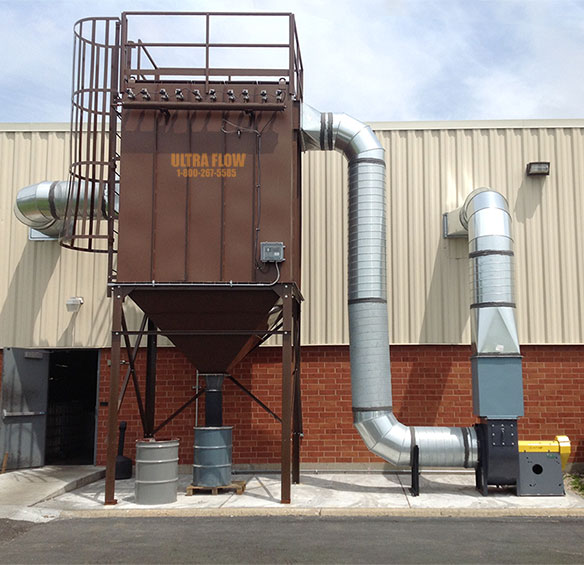
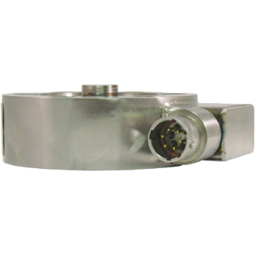
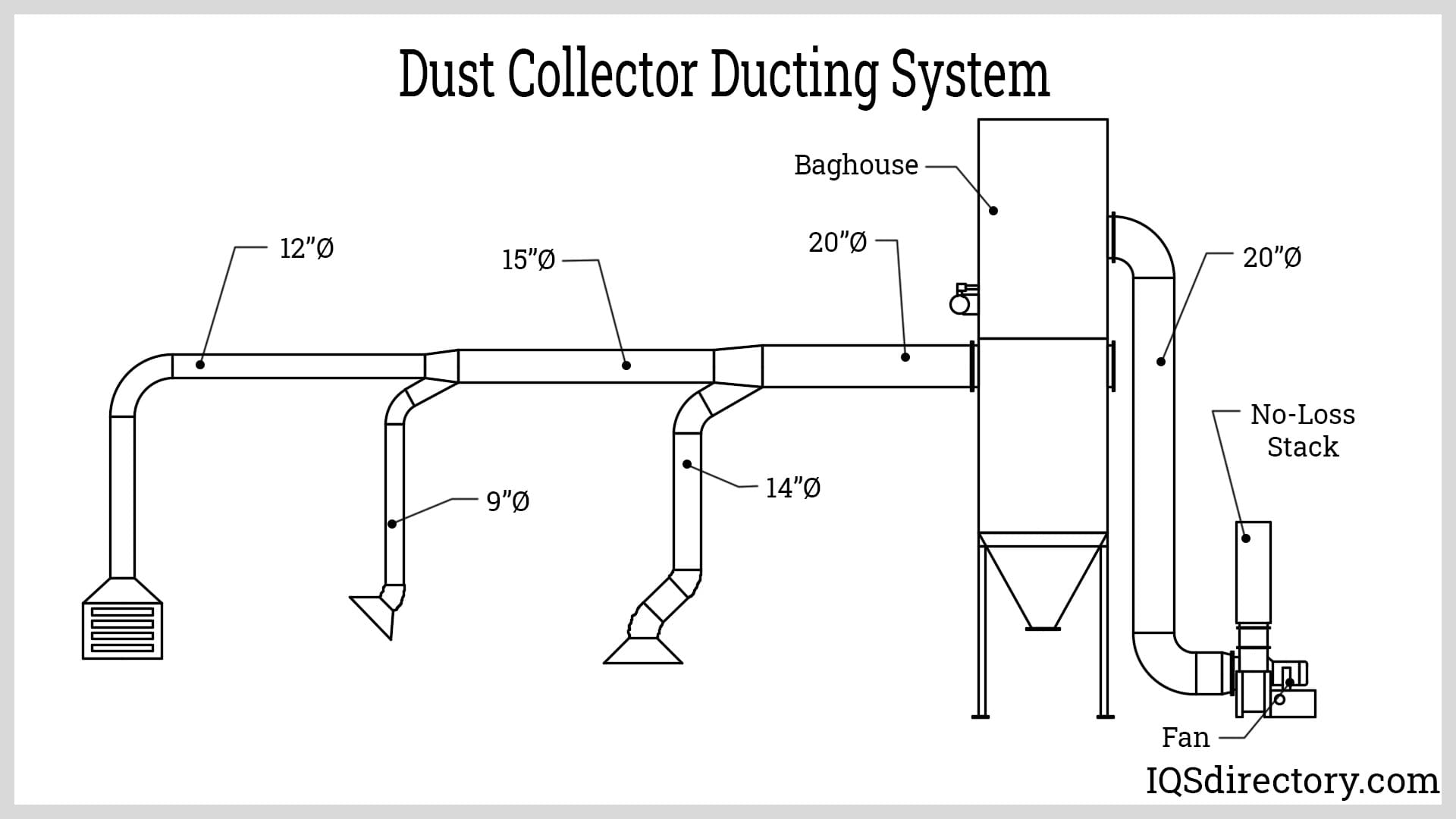
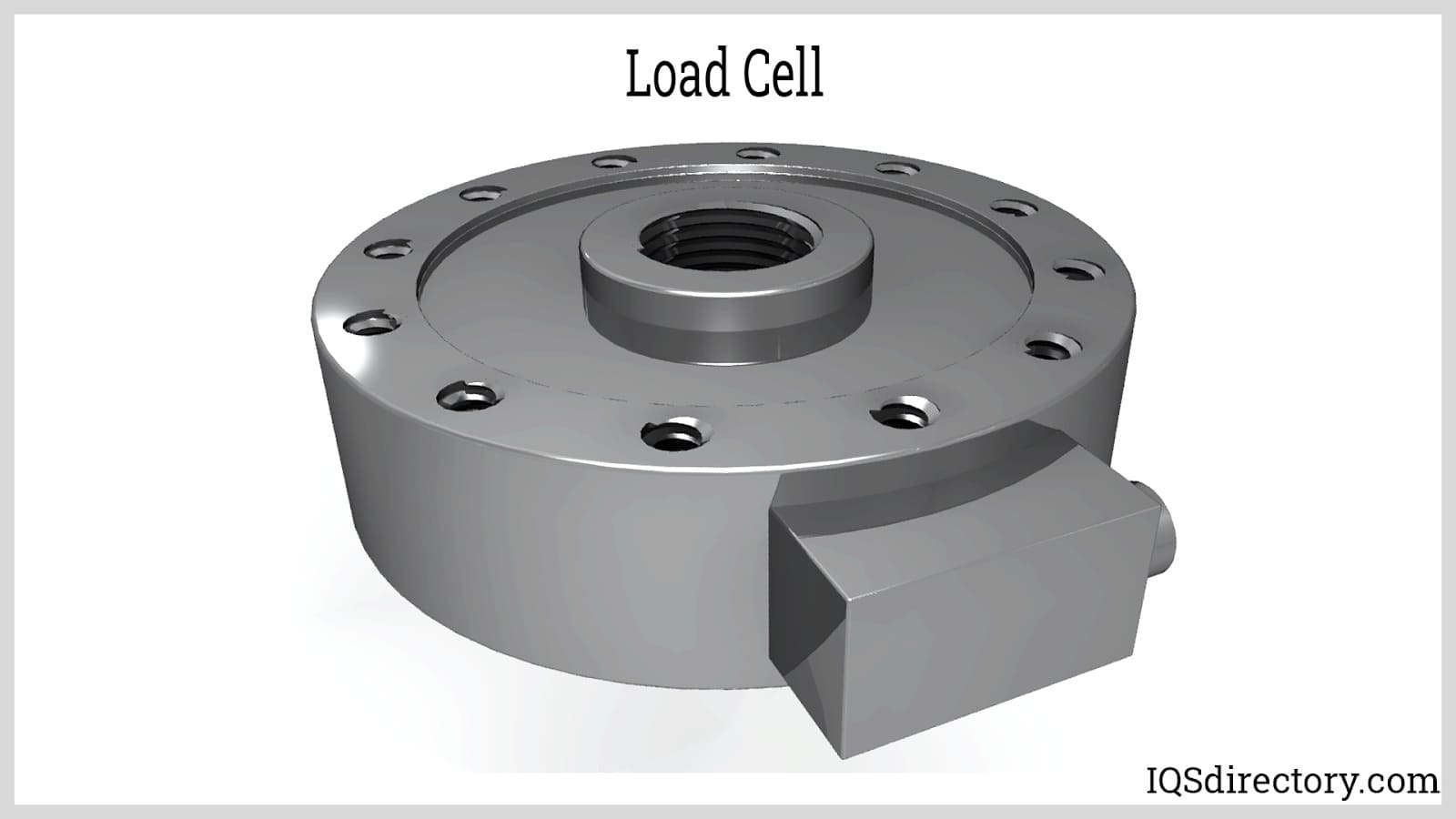
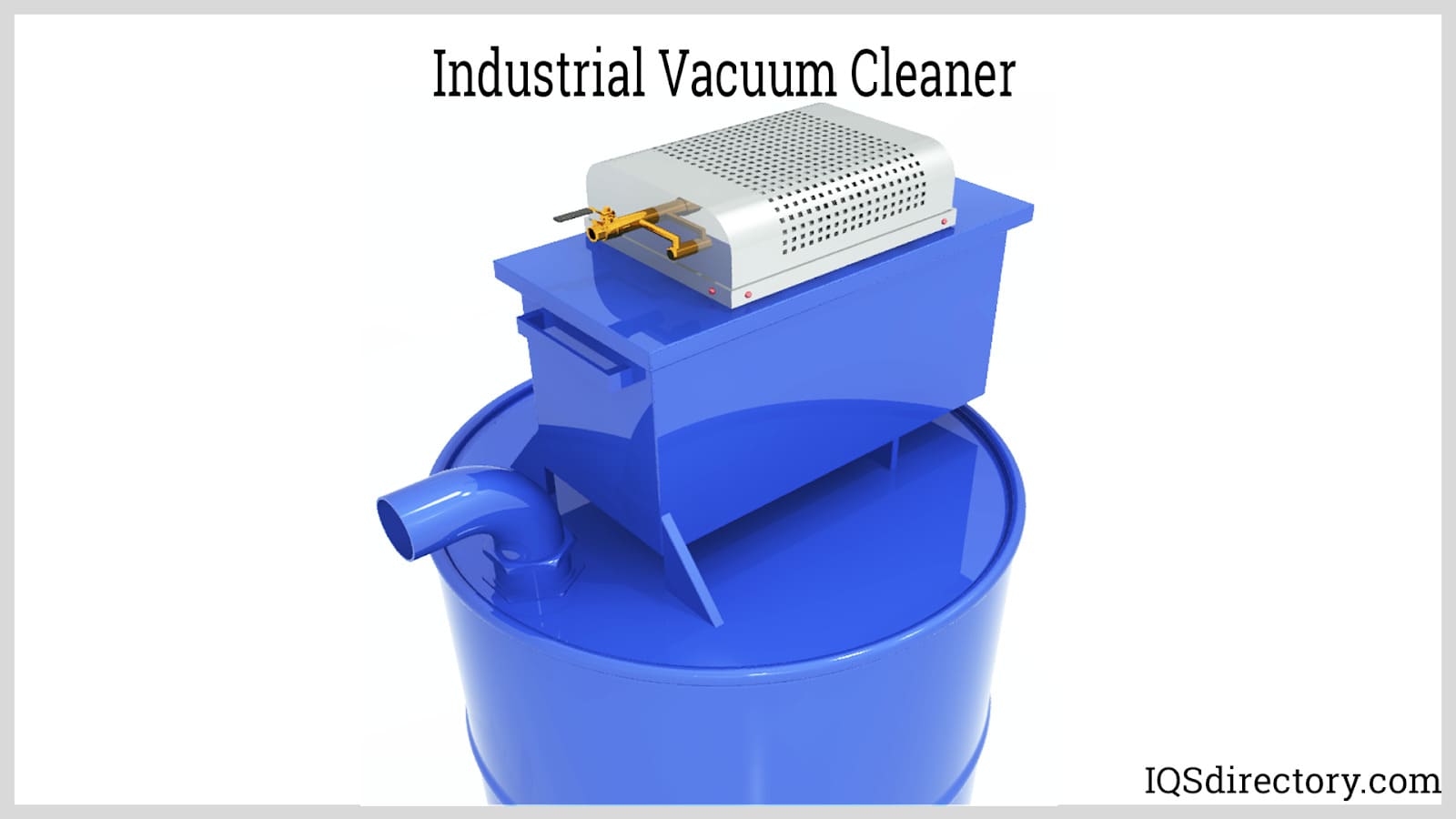
Accurate measurement of quantities is critical in bulk material handling, and weighing and measuring systems are designed to meet this need with precision. Alongside these, dust collection systems play a vital role in controlling airborne particles generated during material handling, thus maintaining a safe and clean working environment.
Collectively, this array of equipment optimizes material flow, enhances productivity, and streamlines operations in industries that handle bulk materials. Each component, from conveyors to dust collection systems, is essential in creating an efficient and effective material handling process, contributing significantly to the overall success of industrial operations.
Components of Bulk Material Handling Systems
A bulk material handling system is an integrated network of machinery, infrastructure, control systems, and automation technology, designed to effectively manage, transport, store, and process large volumes of bulk materials. It includes thorough safety and environmental measures to ensure successful operation.
Equipment: This includes a variety of machinery and devices designed to handle bulk materials. Conveyors transport materials efficiently, while hoppers store and dispense them. Loaders facilitate the movement of materials, and crushers break them down into smaller sizes. Screens sort materials by size, mixers blend them, and storage silos hold large quantities until needed. Each piece of equipment is integral to the system’s performance.
Infrastructure: Supporting the equipment is a robust infrastructure necessary for the movement and storage of bulk materials. This infrastructure includes conveyor belts that carry materials over distances, support structures that ensure the stability of the system, chutes that direct the flow of materials, and access points for efficient loading and unloading operations.
Controls and Automation: Advanced control systems and automation technologies are integral to the operation of bulk material handling systems. These systems meticulously monitor and manage material flow, ensuring seamless synchronization of equipment and enabling process optimization for maximum efficiency and productivity.
Safety and Environmental Considerations: Safety is paramount in bulk material handling systems, with robust measures in place to protect workers and prevent accidents. Environmental considerations are also critical, with strategies for dust control and spillage prevention implemented to minimize the impact on the surroundings and ensure compliance with environmental regulations.
Integration
A bulk material handling system is designed to harmoniously integrate various components, ensuring smooth material transfer between equipment and process stages. This integration guarantees a continuous, efficient flow of bulk materials.
The aim of a bulk material handling system is to manage large volumes of bulk materials effectively and dependably, ensuring proper movement, storage, and processing. These systems are crucial in industries such as mining, agriculture, construction, manufacturing, and logistics. By implementing a well-designed bulk material handling system, organizations can boost productivity, decrease manual labor, maximize resource utilization, and enhance overall operational efficiency.
Equipment Used in Bulk Handling Systems
Bulk material equipment and systems are meticulously manufactured to meet the specific tasks each unit is designed to accomplish. Despite the variety in tasks, most systems share common components and features essential for their operation. These components ensure efficient and effective handling of bulk materials throughout the entire process.
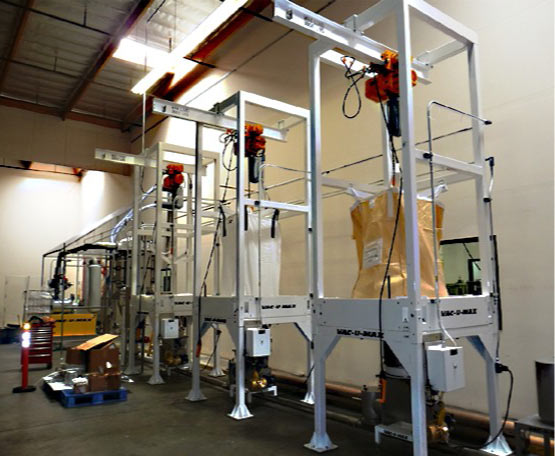
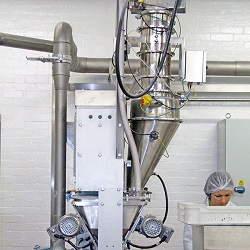
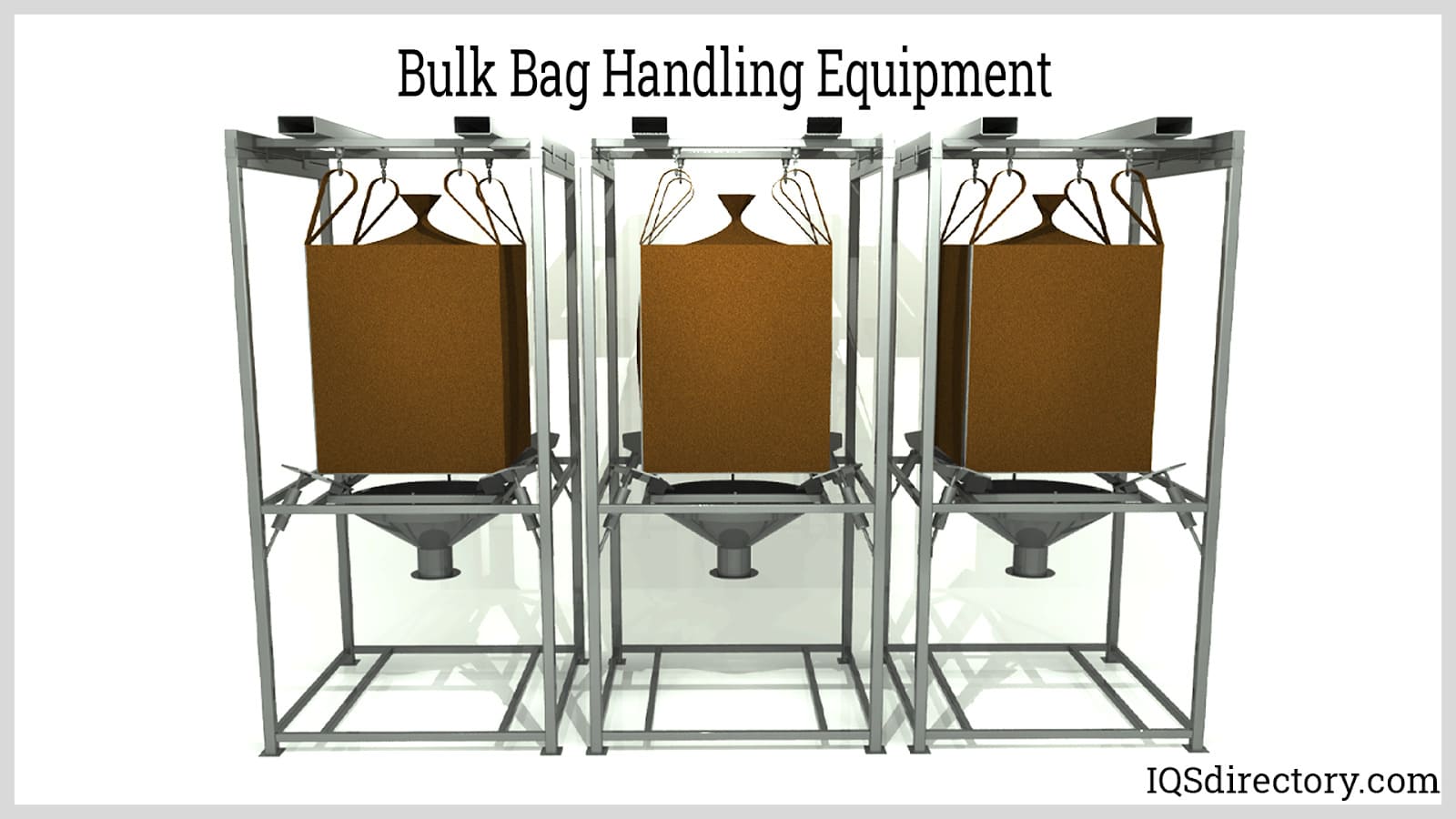
A full bulk material handling system typically includes an unloading station. This station serves as the access point where materials are introduced into the system. The design of an unloading station can vary significantly, ranging from sophisticated railcar unloading stations to simpler setups like bag dumping stations. Regardless of its form, the primary function is to facilitate the smooth entry of materials into the system.
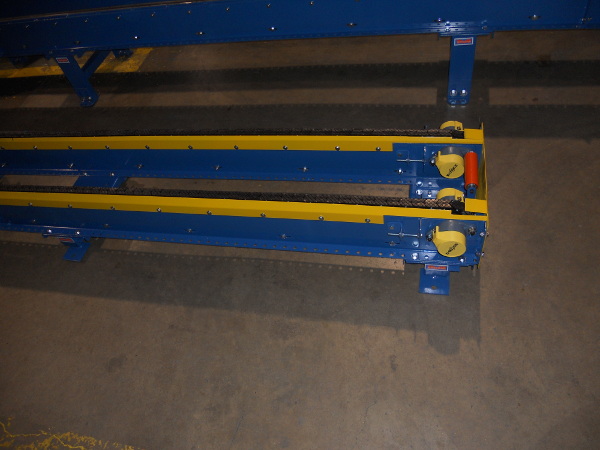
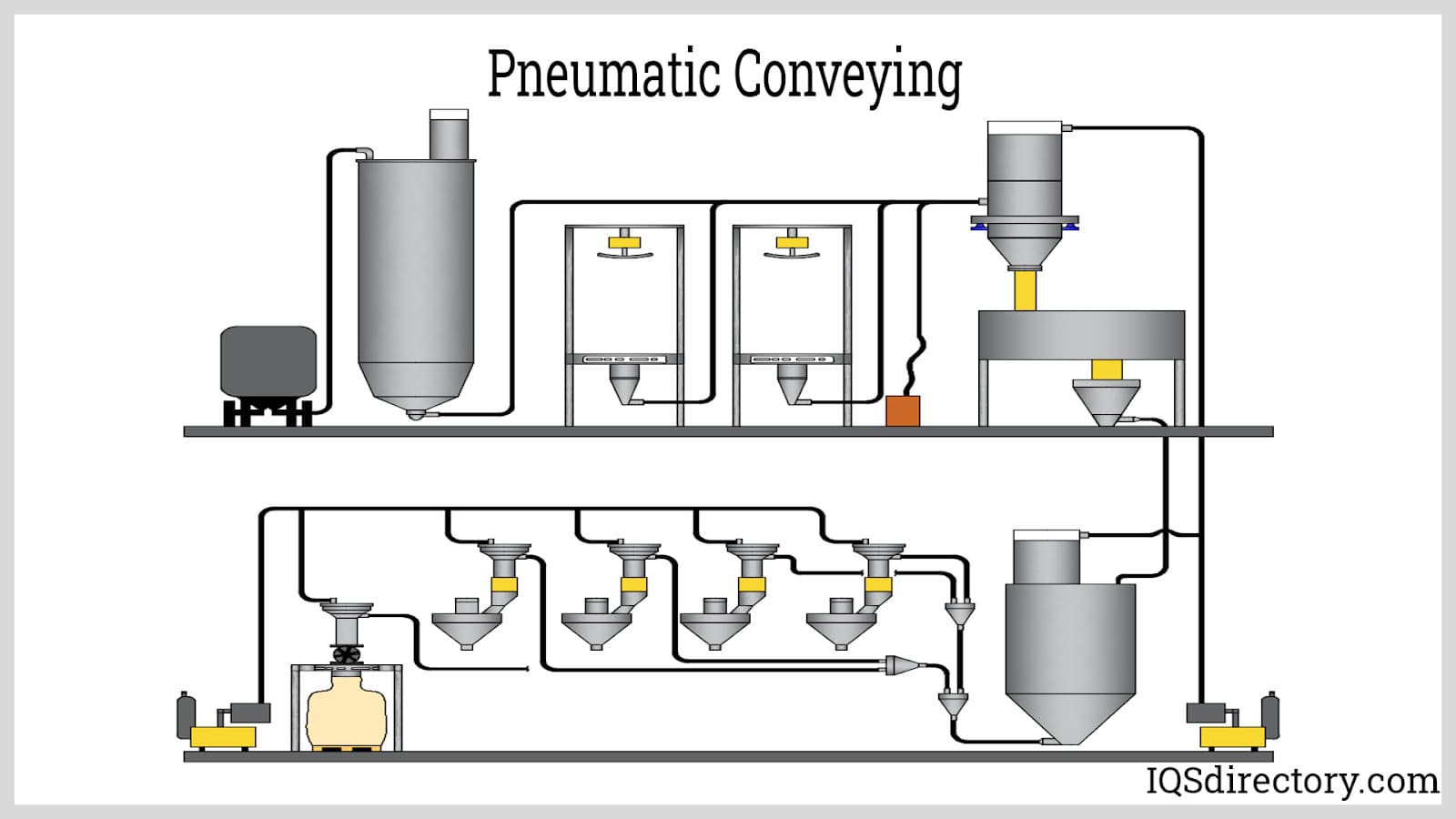
Conveying systems are another critical component of bulk material handling systems. While pneumatic conveyors are the most commonly used, other systems might employ screw conveyors, bucket elevators, or drag chain conveyors. Often, a combination of these different types of conveyors is utilized to achieve optimal material movement and processing efficiency.
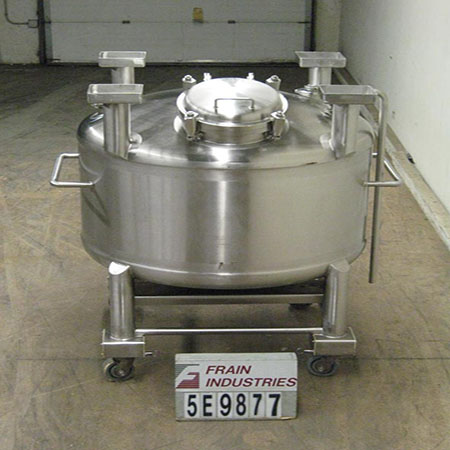
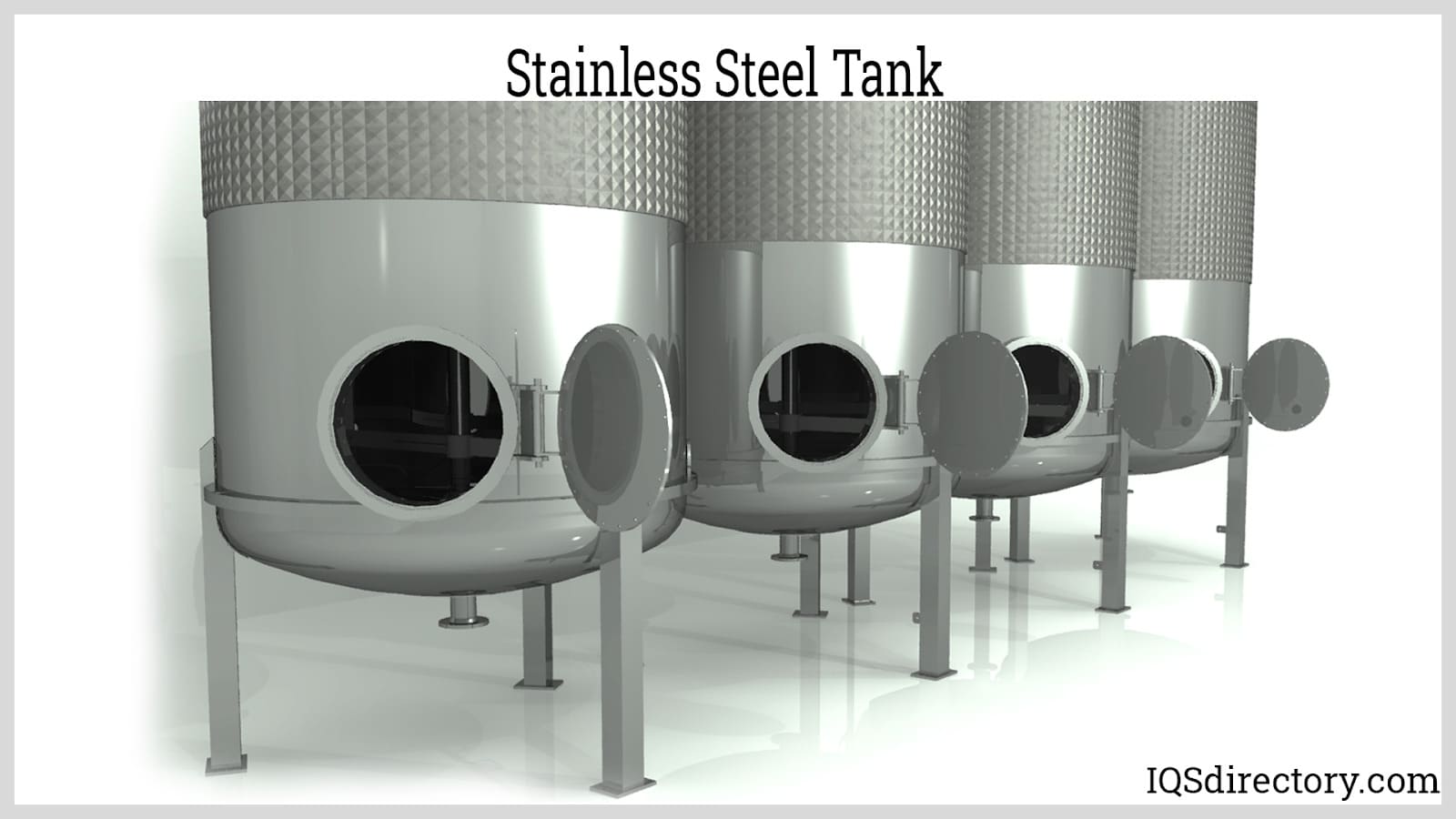
Material storage equipment is essential in a bulk material handling system. These systems must include provisions for storing materials until they are needed for further processing. The storage solutions can vary from large silos capable of holding vast quantities of material to smaller bins or hoppers for more manageable amounts.
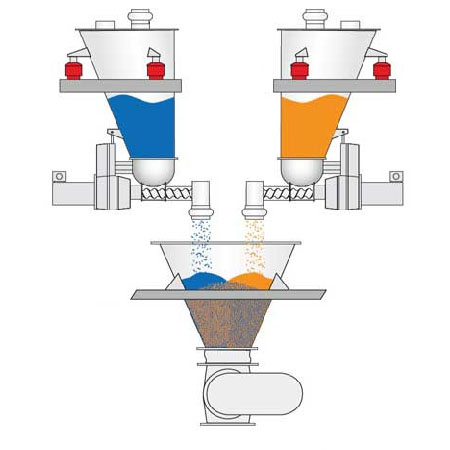
Batching equipment plays a crucial role in the efficient use of bulk materials. This equipment is designed to accurately dispense specific quantities of materials for processing and packaging. Accurate batching ensures that materials are used efficiently and that the final product meets the required specifications.
Finally, a filling or packaging station is an integral part of a bulk material handling system. After the bulk materials have been processed, this station is responsible for offloading the finished product. The materials are then packaged, ready for shipment or sale. This step is crucial for ensuring that the end product is handled properly and meets quality standards for distribution.
Most bulk material handling systems feature these core types of equipment, adjusting variations and extra components to match specific application needs. For example, food processing facilities generally use large storage silos instead of smaller containers due to the significant volumes of grains, powders, and other materials they manage. Some systems specialize in transporting and handling very fine particles, while others are built for larger granules. We tailor these systems to meet the unique demands of any task or process.
Assembling Bulk Material Handling Systems
When assembling a bulk material handling system, consider several key factors to ensure effectiveness and efficiency. Begin by assessing the specific characteristics of the bulk materials, such as size, shape, density, flow properties, and any special handling requirements. This information is crucial for selecting the appropriate equipment and determining the system’s capacity and configuration.
Consider the desired material flow rate and transportation distances to determine the appropriate conveyor types and lengths. Assess the available space and facility layout to design an optimal equipment arrangement, accounting for accessibility, clearances, and potential bottlenecks. Carefully evaluate and integrate the system’s safety requirements, including guarding, emergency stops, and dust control ventilation.
Additionally, plan for future scalability, maintenance needs, and potential expansions to ensure the bulk material handling system can accommodate growth and adapt to changing needs. By comprehensively considering these factors, a well-designed system will enhance efficiency, productivity, and safety in handling large volumes of materials.
When installing bulk material equipment or systems, several critical considerations must be addressed. It is essential to recognize that not all equipment is compatible with every type of material, as the consistency of the material significantly influences the quality of the final product. Key factors to consider during equipment selection include bulk density, average particle size, particle properties, environmental effects, and the material base.
Experts advise conducting thorough material tests before purchasing equipment to understand the necessary processing qualities. For instance, particle densities can vary at different stages of the material handling process, so assuming each piece of equipment will function efficiently at the same density level is imprudent.
Pneumatic conveyors are essential in most bulk material handling systems, making these considerations crucial for selecting the most effective conveyor for specific bulk solids. Abrasive materials, for example, cannot be transported in the same manner as sticky materials. Some materials may be better suited for dense phase conveying, while others are more effectively transported using dilute phase conveying methods.
While these considerations are primarily vital for conveying systems, they also impact other handling components, albeit to a lesser extent. Particle size and cohesion influence how materials can be combined and dispensed, which means material properties should also be considered for batching equipment, mixers, and material feeders.
Benefits of Bulk Equipment Systems
Investing in bulk material handling equipment strengthens your business for several vital reasons. First, it enhances efficiency by managing, transporting, and storing large quantities of materials, which reduces costs, boosts productivity, and optimizes operations. Second, specialized equipment ensures safe handling, minimizing the risk of accidents and injuries. Third, it offers precise control and measurement, ensuring accurate dosing, batching, and inventory management, which promotes product uniformity and cuts down on waste. Additionally, this equipment increases operational adaptability, allowing you to respond to changing production demands or market needs, and supports scalability to manage higher volumes as your business expands. Ultimately, bulk material handling equipment improves efficiency, safety, quality control, and profitability.
Choosing between bulk material handling equipment and a bulk material handling system depends on the scale, intricacy, and demands of your operations. For smaller, straightforward tasks, standalone equipment may be adequate. However, if your operations are multifaceted, require coordinated processes, seek to boost efficiency and output, emphasize safety and regulatory compliance, and plan for future expansion, a comprehensive system is more appropriate. Such a system ensures smooth material movement, streamlined processes, scalability, and advanced safety features. Evaluating your specific needs and considering factors like coordination, efficiency, safety, and scalability will help in making the right decision. Consulting with industry professionals can offer valuable, customized advice.
Bulk material handling equipment and systems are poised to play a crucial role in the future for several key reasons, influencing your investment decisions. As industries grow and evolve, the demand for efficient bulk material handling will increase. These systems provide the ability to handle large volumes quickly, accurately, and safely, essential for maintaining a competitive edge.
Technological advancements, including automation, robotics, and data analytics, are set to transform material handling. Integrating smart technologies into these systems can optimize processes, enhance productivity, and offer valuable insights for decision-making. Additionally, as sustainability and environmental considerations become more prominent, modern bulk material handling equipment is designed with energy efficiency, waste reduction, and emissions control in mind. Adopting these solutions not only ensures regulatory compliance but also supports a greener future.
Investing in bulk material handling equipment and systems will equip your business to meet future demands, leverage technological advancements, and align with sustainable practices, positioning you for long-term success.
What are the current developments in Bulk Handling Equipment?
Current developments in bulk material handling equipment reflect a dynamic blend of technological innovation, sustainability demands, and industry-specific needs. Here’s a rundown of the key trends shaping this field as of early 2025:
- Automation and Smart Technology
- IoT and Sensors: Equipment like conveyors and bucket elevators now integrates Internet of Things (IoT) sensors for real-time monitoring of wear, load, and efficiency. This enables predictive maintenance, reducing downtime in industries like mining or food processing. For example, smart systems can flag a conveyor belt misalignment before it fails.
- AI and Robotics: Artificial intelligence is optimizing material flow, with robotic systems automating tasks like stacking or reclaiming. Companies are pairing AI with automated guided vehicles (AGVs) to streamline warehouse logistics, cutting human error and boosting throughput.
- Advanced Materials and Design
- Lightweight, Durable Components: Manufacturers are using high-strength composites and alloys—think carbon fiber or corrosion-resistant stainless steel—to make equipment lighter yet tougher, improving energy efficiency and lifespan. This is crucial for handling abrasive materials like ore or gravel.
- Modular Systems: Modular designs, such as interchangeable conveyor sections or bucket elevator frameworks, allow quick customization and repairs. Posts on X highlight how these setups enhance flexibility in facilities with shifting demands.
- Sustainability Focus
- Energy Efficiency: Newer equipment features low-friction belts, regenerative drives, and optimized motors to slashed power consumption—a priority as industries face stricter carbon regulations. For instance, modern ship loaders now recover energy during unloading cycles.
- Eco-Friendly Materials: There’s a shift toward recyclable or bio-based components, like biodegradable conveyor belts, driven by sectors like agriculture and pharmaceuticals aiming to reduce waste.
- Industry-Specific Innovations
- Sanitary Standards: In food and pharma, equipment now boasts seamless surfaces, quick-clean designs, and dust-tight seals to meet stringent hygiene rules. Pneumatic conveyors with enhanced containment are gaining traction for powders like flour or APIs.
- Heavy-Duty Upgrades: Mining and construction see beefier designs—think reinforced stacker/reclaimers or high-capacity bucket elevators—to handle denser loads with less wear, as noted in recent trade discussions.
- Digital Twins and Simulation
- Virtual Modeling: Digital twin technology lets engineers simulate equipment performance before deployment, optimizing designs for specific materials (e.g., sticky clay vs. dry sand). This cuts costs and speeds up commissioning in complex systems like port terminals.
Evidence and Sentiment
Recent industry reports and X posts (e.g., from PowderBulkSolid on February 28, 2025) spotlight innovations like “modern bucket elevators with enhanced efficiency and cleanliness,” pointing to modular frameworks and heavy-duty components as game-changers. Market analyses project a 5-6% CAGR for bulk handling equipment through 2032, fueled by automation and infrastructure booms in Asia-Pacific.
These developments aren’t just incremental—they’re redefining how bulk materials move, balancing efficiency with planet-friendly priorities while adapting to the toughest industrial challenges.


 Bulk Bag Handling
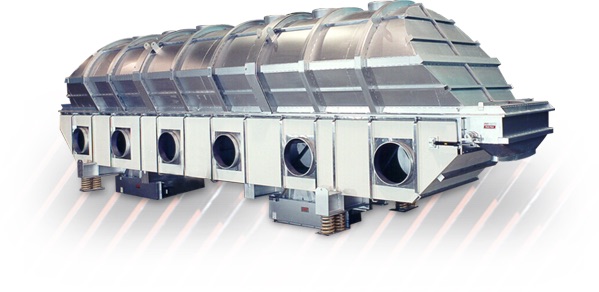 Industrial Dryers
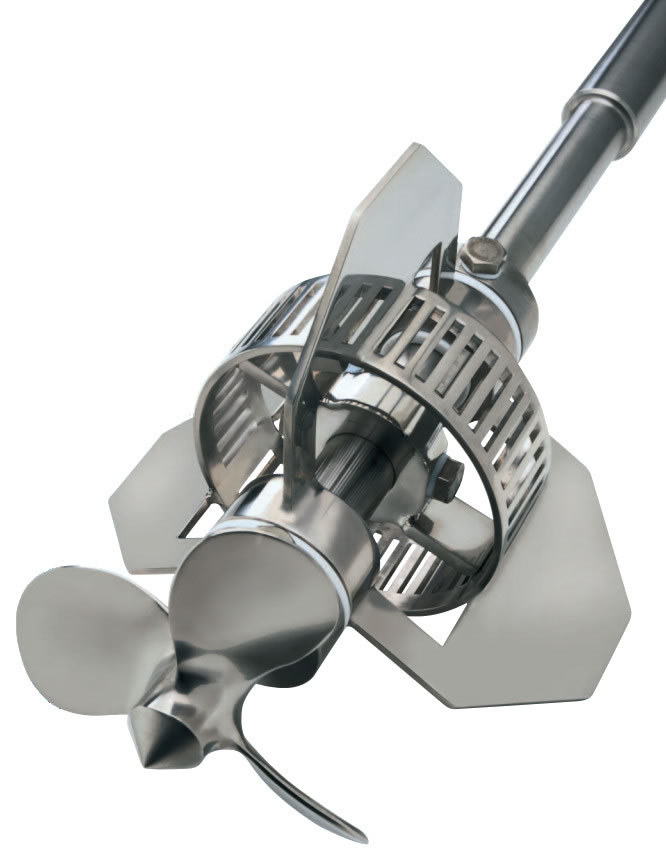 Industrial Mixers
 Palletizers
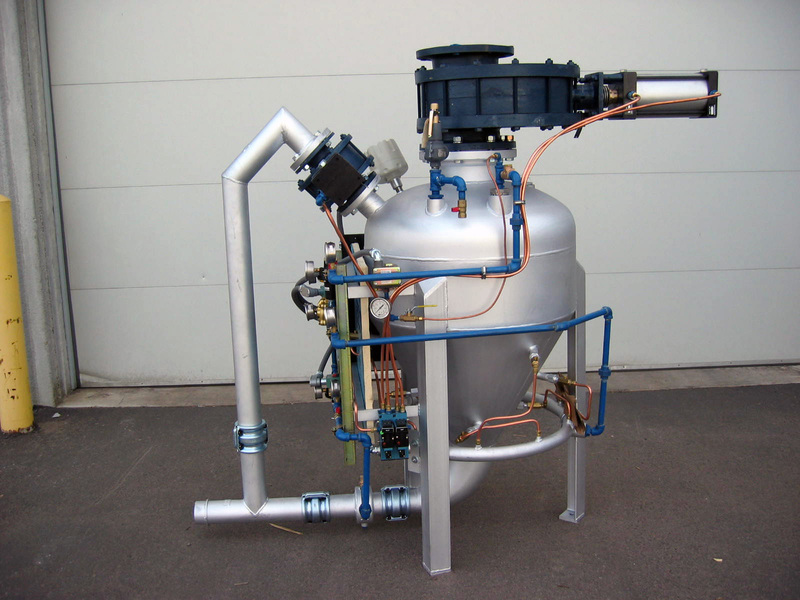 Pneumatic Conveyors
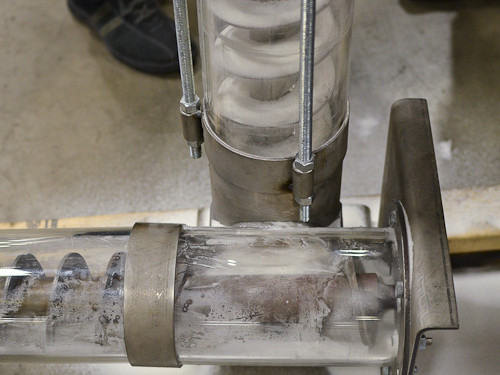 Screw Conveyors
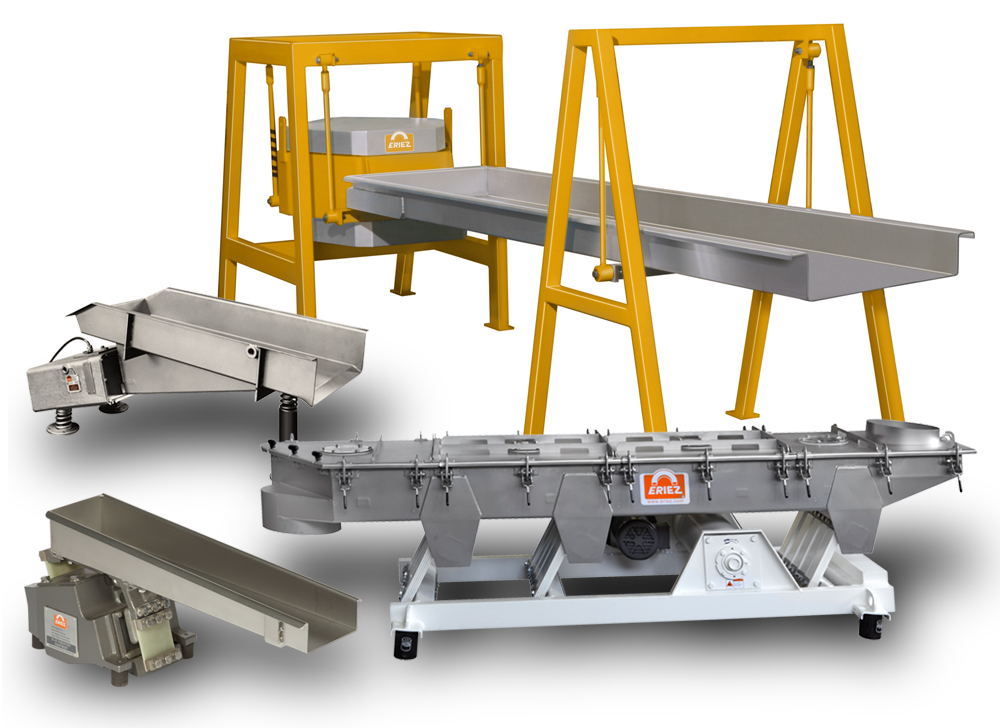
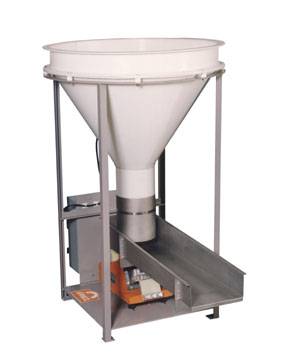 Vibratory Feeders
 Weighing Systems & Scales
 Castings & Forgings
 Bulk Material Handling
 Electrical & Electronic Components
 Flow Instrumentation
 Hardware
 Material Handling Equipment
 Metal Cutting Services
 Metal Forming Services
 Metal Suppliers
 Motion Control Products
 Plant & Facility Equipment
 Plant & Facility Supplies
 Plastic Molding Processes
 Pumps & Valves
 Recycling Equipment
 Rubber Products & Services